Hayaan Market Blog
Securities in Somalia: What They Are and How to Invest Safely (2026)
By Hayaan Team · October 29, 2026
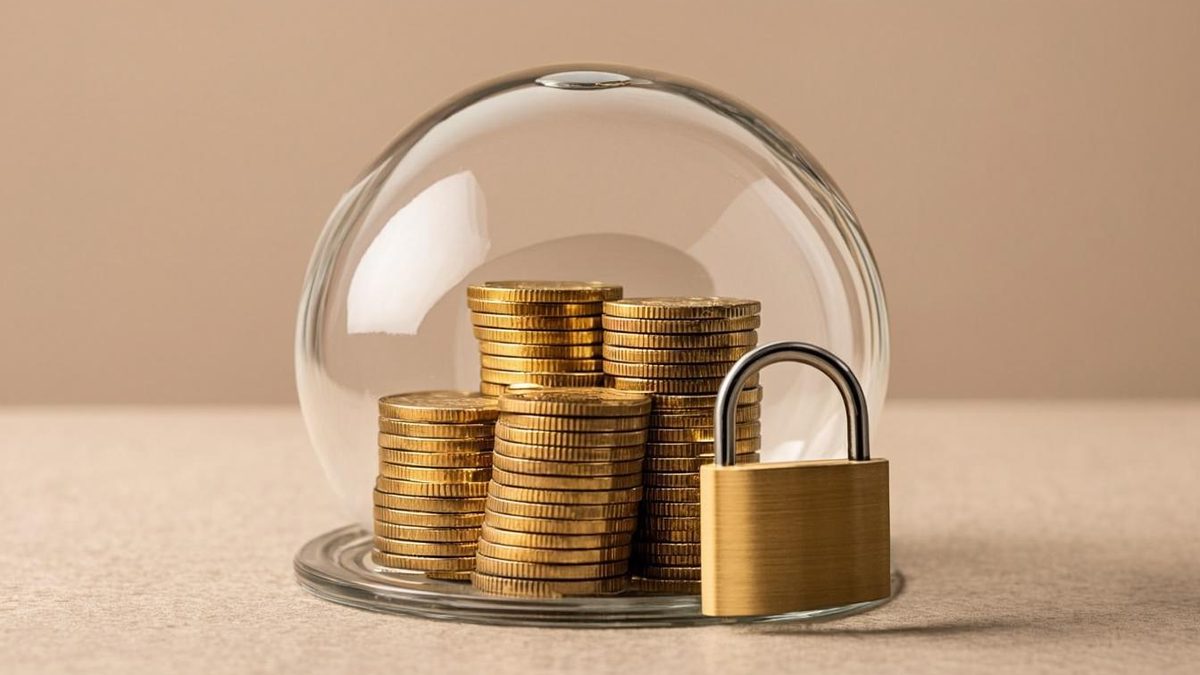
Shares, bonds and funds explained in plain language — what securities Somalis can actually buy today, who regulates what, and the checklist that filters a real offer from a scam.
Quick answer
Securities are tradable financial assets: shares (equity in a company), bonds (debt you can hold or sell), and fund units that pool many investors. Somalia's public securities market is still in its infancy — the NSES exchange launched in 2025 is just starting — so today's real opportunities are private equity offers like Hayaan's startup round, Shariah-compliant products through licensed banks, and foreign-listed securities via eligible brokers.
The word "securities" sounds like it belongs on a Wall Street trading floor. But the moment a neighbor offers you shares in his shop, or a WhatsApp group pitches a "guaranteed 15% monthly" investment club, you are dealing with securities — or with fakes wearing their clothes. Somalia's market is young enough that the fakes are loud and the real offers are quiet, so this guide does three things: defines the instrument families, maps what you can actually buy here today, and gives you the checklist that filters one from the other.
What are securities, exactly?
Three families cover almost everything:
- Equity — shares. You own a slice of a company. You earn through growth in the slice's value and, sometimes, dividends. Example: buying into a startup's funding round, the way Hayaan Market's limited equity round works today.
- Debt — bonds and their Islamic cousins. You lend, you get repaid with profit. Interest-bearing bonds are the Western form; sukuk are the Shariah-compliant form, backed by real assets and paying a share of returns. Somalia's NSES plans a sukuk platform as it matures.
- Funds. Your money pools with many others under one manager and spreads across many holdings — the standard way to own hundreds of companies with one ticket, available today mainly through foreign brokers.
Every family shares one DNA trait: a security is a legal claim, not a verbal promise. That claim is only as good as the entity behind it and the documents that define it.
What securities can you actually buy in Somalia today?
- Private equity offers. Startups and SMEs raising structured rounds with signed agreements. This is where Somalia's newest, most documented opportunities live — Hayaan's round at hayaan.co/investors is the working example: expression of interest, deck and data room, then a SAFE or priced equity in USD.
- Islamic bank products. Licensed banks offer murabaha (cost-plus purchase repaid in installments) and related structures today; sukuk arrive with market maturity.
- Foreign-listed securities. Through eligible international brokers — shares, ETFs and index funds abroad, funded in USD. The Somalia share market guide covers what to verify in a broker.
- Public Somali listings, soon. The NSES launched in June 2025 and targets its first listed companies as the framework matures. When those listings come, they will be the first genuinely public securities the country has had in decades — watch that space with interest and with patience.
Who regulates securities in Somalia?
The map is simple and worth memorizing. The Central Bank of Somalia licenses and supervises banks and financial institutions — the sound-money layer. The NSES operates as a private self-regulatory organization working with the Ministry of Finance to build policy and legal frameworks, with Central Bank technical support. And the 2025 Investment Law strengthened the governance frame around foreign and domestic investment.
What does not exist yet: a deep public disclosure regime like the SEC's. Translation: in Somalia, your own diligence is the regulator. The steps below are not optional extras; they are the system.
How do you spot a fake securities offer?
- Guaranteed high returns. The single most reliable scam signal on earth. Global markets average single digits annually with down years; a guaranteed 15% monthly is arithmetic fraud.
- An issuer you cannot trace. No registered company, no legal name, no governing law — nothing to sue, nothing to verify.
- "Halal" as the pitch instead of the structure. Real Shariah compliance is documented by scholars and contracts, not by a logo on a flyer.
- Pressure and secrecy. "Decide today, don't tell anyone" — the script never changes.
- Money flowing into personal wallets. Real issuers collect through licensed, receipted rails; the payments guide shows what those look like.
- Old investors paid by new investors. The Ponzi signature. When "returns" depend on recruitment, the end date already exists — you just do not know it yet.
Fake investment clubs have cost Somali families real savings, repeatedly, on two continents. The pattern is always identical; learn it once and you are protected for life.
What is a SAFE — and why startups use it
A SAFE (Simple Agreement for Future Equity) is the standard way early-stage companies raise: you invest now at today's terms, and your money converts into shares at the company's next priced round — usually with a discount for arriving early. It is simpler than full share paperwork, honest about the risk, and it aligns the investor with the company's growth. Hayaan Market's current round closes this way for most tickets, and through priced equity for larger ones — the expression-of-interest form starts that process.
Rule of the market: every real security can be traced to a legal entity, a signed document and a regulated money path. If one of the three is missing, it is not an investment — it is an exit with your money on it.
Where this leaves you
Learn the instrument, verify the issuer, size the bet, keep the paper. If the security you want is a slice of Somalia's e-commerce, Hayaan's equity round is open today — the form takes two minutes and buys you a conversation, not a commitment. This guide is general information, not financial advice, and nothing in it is an offer to sell or a solicitation to buy securities in any jurisdiction.
Frequently asked questions
What are securities in simple terms?
Securities are documents (now usually digital) that represent money you put into someone else's venture: shares mean you own a slice, bonds mean you lent money, fund units mean you pooled your money with others under a manager. Each earns differently — and each can lose.
Who regulates securities in Somalia?
The Central Bank of Somalia licenses and supervises banks and financial institutions, and the new National Securities Exchange (NSES) operates as a private self-regulatory organization working with the Ministry of Finance, with Central Bank technical support. Because the public disclosure regime is still maturing, your own diligence matters more than it would in an older market.
Are Islamic finance products securities?
Some are structured like them, without interest. Murabaha is a cost-plus purchase you repay in installments; sukuk are certificates backed by real assets that pay a share of returns instead of interest. Somalia's NSES plans a Shariah-compliant sukuk platform as it matures, and licensed banks offer Islamic products today.
What is a SAFE?
A Simple Agreement for Future Equity — the standard startup investment instrument. You invest now; your money converts into shares at the company's next priced round, usually with a discount for arriving early. It is the instrument Hayaan Market's current equity round can close with, alongside priced equity for larger tickets.
How do I spot a fake securities offer?
Guaranteed high returns, an issuer you cannot verify, marketing that leans on the word 'halal' instead of documents, pressure to decide fast, secrecy, and payments into personal wallets. Real securities trace to a legal entity, a signed agreement and a licensed money path — if any of the three is missing, walk away.